

light up dressing table mirror
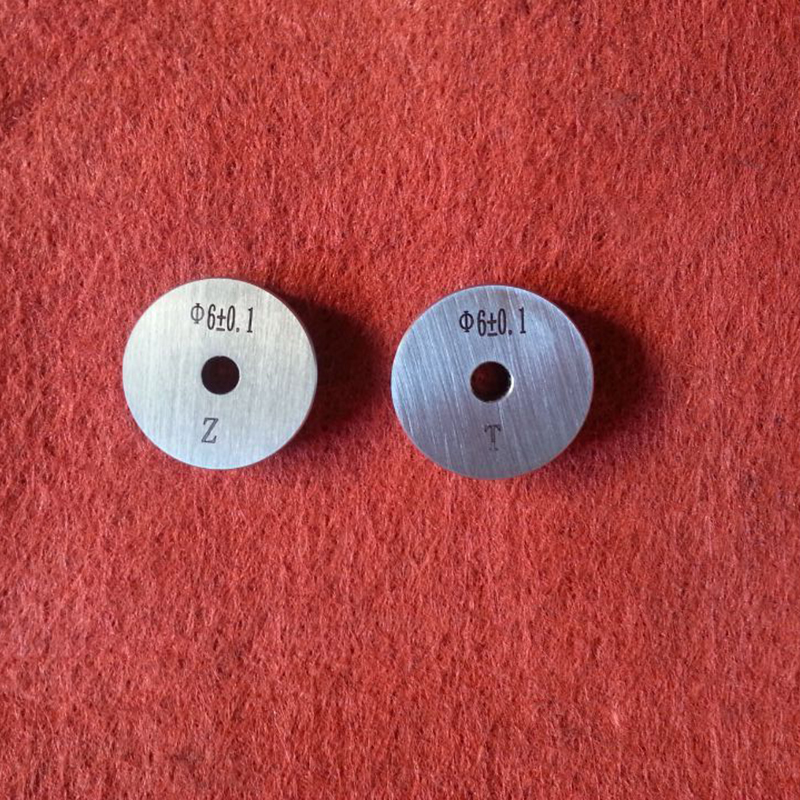
The Importance of Ring Gauges in Precision Measurement In the realm of manufacturing and quality assurance, precision is paramount. One of the critical tools employed in ensuring that the dimensions of components meet specific standards is the ring gauge. Ring gauges are cylindrical measuring instruments used to check the external diameter of products, such as shafts, pipes, and other round components. Their role in quality control processes cannot be overstated, as they provide a reliable means to ensure that products conform to specified tolerances. Functionality of Ring Gauges Ring gauges come in two primary forms go gauges and no-go gauges. The go gauge is designed to verify that the part being measured is within the acceptable range of dimensions. If the component fits into the go gauge, it meets the required specifications for size. Conversely, the no-go gauge is used to ensure that the part does not exceed the maximum allowable size. If the component enters the no-go gauge, it indicates that the piece is out of specification, signaling a need for adjustment or rejection. The design of ring gauges is crucial to their effectiveness. They are typically made from high-quality materials such as tool steel or carbide, ensuring they can withstand wear and maintain precision over time. The manufacturing process of these gauges involves meticulous engineering to achieve the desired tolerances. Even minute discrepancies in their dimensions can lead to significant errors in measurement, which is why consistent quality must be maintained during production. Advantages of Using Ring Gauges One of the primary advantages of ring gauges is their simplicity and ease of use. Operators can quickly assess whether a component meets the required specifications without the need for complex measurement tools . This efficiency is particularly valuable in high-volume manufacturing environments, where time is money, and fast, accurate measurements are essential for maintaining production schedules. ring gauges are used to check Additionally, ring gauges help in reducing the likelihood of human error. Unlike calipers or micrometers, which rely on the operator’s skill in reading measurements, ring gauges provide a clear pass/fail indicator. This feature minimizes subjectivity in measurements, allowing for consistent quality assurance across production lines. Applications of Ring Gauges Ring gauges are widely used across various industries, including automotive, aerospace, and precision engineering. In automotive manufacturing, for instance, ensuring that engine components fit together correctly is critical for performance and safety. By employing ring gauges, manufacturers can verify that parts such as bearings and crankshafts adhere to strict dimensional standards. In the aerospace sector, where safety is paramount and tolerances are often measured in microns, ring gauges play a vital role in ensuring that components operate reliably under extreme conditions. Any deviation in measurement can lead to catastrophic failures, making the precision offered by ring gauges indispensable. Conclusion In conclusion, ring gauges are essential tools in the toolkit of quality assurance professionals. Their straightforward design, efficiency, and reliability make them invaluable for verifying the dimensions of cylindrical components. By committing to the use of ring gauges, manufacturers can enhance their quality control processes, minimize defects, and maintain the high standards required in today’s competitive markets. As industries continue to evolve and the demand for precision increases, the role of ring gauges in achieving operational excellence will remain significant.
about
light up dressing table mirror
Thread Ring Gauge Standards Precision in the World of Threads Thread ring gauges are indispensable tools in the world of engineering and manufacturing, particularly in industries where precision is paramount. They are used to measure the quality and accuracy of internal threads, ensuring that they meet specific standards set by various international organizations. The standardization of thread ring gauges is critical for maintaining consistency and interoperability across different manufacturing processes and products. These standards are typically defined by organizations such as the American National Standards Institute (ANSI), International Organization for Standardization (ISO), and the American Society of Mechanical Engineers (ASME). ANSI/ASME B1.20.1, for instance, outlines the Unified Thread Standard (UTS) for the United States, while ISO 68-1 provides global guidelines for metric threads. These standards specify not only the dimensions but also the tolerances, pitch, and form of threads. Thread ring gauges come in various sizes and thread types, including UNC, UNF, and metric threads, each with its own set of standards. A thread ring gauge functions as a go/no-go device. The 'go' gauge is designed to fit freely into the thread, indicating that it meets the minimum size requirements, while the 'no-go' gauge should not pass through, ensuring the maximum size limit isn't exceeded The 'go' gauge is designed to fit freely into the thread, indicating that it meets the minimum size requirements, while the 'no-go' gauge should not pass through, ensuring the maximum size limit isn't exceeded The 'go' gauge is designed to fit freely into the thread, indicating that it meets the minimum size requirements, while the 'no-go' gauge should not pass through, ensuring the maximum size limit isn't exceeded The 'go' gauge is designed to fit freely into the thread, indicating that it meets the minimum size requirements, while the 'no-go' gauge should not pass through, ensuring the maximum size limit isn't exceeded thread ring gauge standard . The tightness or clearance between the gauge and the thread is crucial, and this is where standardization plays a vital role. The manufacturing process of thread ring gauges is highly regulated to maintain these standards. They are made from high-strength materials like tool steel or carbide, heat-treated for durability, and then precisely ground and lapped to achieve the required dimensional accuracy. Each gauge is then individually inspected using master gauges, which themselves are traceable to national or international measurement standards. In conclusion, thread ring gauge standards are the backbone of quality control in threaded component manufacturing. They ensure that every bolt, nut, or other threaded part fits together seamlessly, regardless of where it was produced. By adhering to these rigorous standards, engineers can guarantee the safety, reliability, and efficiency of their products, ranging from everyday machinery to aerospace components. The science and art of thread ring gauge standardization continue to evolve, reflecting the ongoing pursuit of precision and perfection in engineering.
-

High quality industrial productsagement

High quality industrial products
View Details -

Meet the diverse needs of customers

Meet the diverse needs of customers
View Details -

Strict quality control

Strict quality control
View Details -

Top raw materials

Top raw materials
View Details -

Trusted supplier

Trusted supplier
View Details
Our application


news and information

Wskaźnik gwintu g i h
Temat gwintów i narzędzi pomiarowych, takich jak wskaźnik gwintów typu plug gauge, jest niezwykle is
Water Valve Types And Their Delivery Times
Water valves play a crucial role in managing water flow within your home or industrial system. Wheth
Water control valve
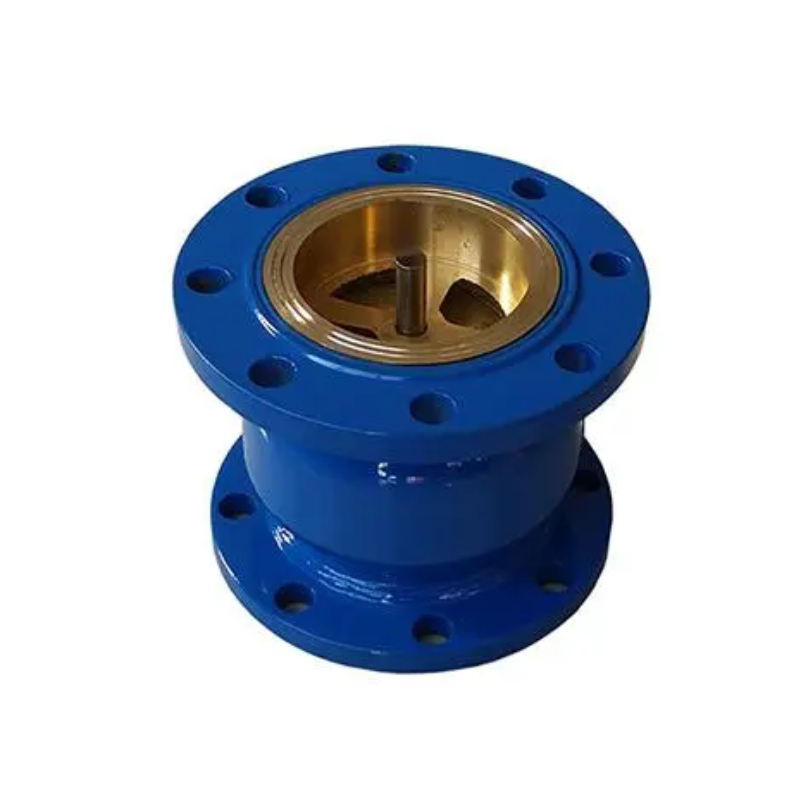
Understanding Water Control Valves Function, Types, and Applications Water control valves are pivota
 English